
Proper record keeping is one of the most important responsibilities for any business owner in Canada. The CRA requires businesses to maintain accurate financial records that support income, expenses, tax filings, payroll, and other business activities. Poor record keeping can lead to audit problems, denied deductions, penalties, and unnecessary stress during tax season.
On this page
- Quick Guide to CRA Record Keeping Requirements
- Which Financial Records Should Business Owners Keep for Tax Purposes?
- How Long Do You Need to Keep Tax and Business Records in Canada?
- Does the CRA Accept Digital Records and Scanned Receipts?
- What Happens If You Cannot Provide Records During a CRA Audit?
- How to Organize Your Business Records to Stay CRA Compliant
- The Most Common Record Keeping Mistakes Made by Small Business Owners
- Need Help Setting Up CRA-Compliant Record Keeping for Your Business?
- FAQ
Quick Guide to CRA Record Keeping Requirements
| Requirement | CRA Expectation |
| Keep supporting documents | Yes |
| Retain records for at least 6 years | Usually yes |
| Keep receipts and invoices | Yes |
| Maintain payroll records | Yes |
| Store records electronically | Yes, if accessible and complete |
| Provide records during an audit | Yes |
Good record keeping does more than keep you compliant with CRA rules. It also helps you understand your business finances, improve cash flow management, and make better decisions throughout the year. Below, we’ll cover exactly what records you should keep and how to stay organized.
Our tax services are available in Coquitlam and other regions across British Columbia.

Which Financial Records Should Business Owners Keep for Tax Purposes?
The CRA expects businesses to maintain records that accurately support all reported income and expenses.
Depending on your business, this may include:
Income Records
- Sales invoices
- Customer receipts
- Deposit records
- Point-of-sale reports
- E-commerce sales reports
- Bank deposits
Expense Records
- Supplier invoices
- Business receipts
- Utility bills
- Rent payments
- Professional service invoices
- Vehicle expense records
Banking Records
- Bank statements
- Credit card statements
- Loan agreements
- Financing documents
Payroll Records
- Employee payroll reports
- T4 slips
- Payroll remittances
- Employment contracts
- Timesheets
Tax Records
- GST/HST returns
- Corporate tax returns
- Personal tax filings related to the business
- CRA correspondence
Asset Records
- Equipment purchases
- Vehicle purchases
- Capital asset records
- Depreciation schedules
The goal is simple: if a number appears on a tax return, you should have documentation supporting it.
How Long Do You Need to Keep Tax and Business Records in Canada?
In most cases, the CRA requires business records to be kept for at least six years from the end of the last tax year they relate to.
| Record Type | Typical Retention Period |
| Tax returns | Minimum 6 years |
| Supporting receipts | Minimum 6 years |
| Payroll records | Minimum 6 years |
| GST/HST records | Minimum 6 years |
| Corporate records | Often longer depending on the situation |
For example, if you filed a 2025 tax return, the related records may need to be retained until at least the end of 2031.
Certain records may need to be kept longer, particularly when dealing with:
- Ongoing audits
- Appeals
- Corporate restructuring
- Asset ownership records
- Real estate transactions
Destroying records too early can create major problems if the CRA later requests supporting documentation.
Does the CRA Accept Digital Records and Scanned Receipts?
Yes. The CRA accepts digital records, electronic documents, and scanned receipts, provided they remain complete, readable, and accessible.
Many businesses now operate almost entirely paperless.
Examples of acceptable digital records include:
- PDF invoices
- Cloud accounting records
- Scanned receipts
- Electronic bank statements
- Payroll software records
- Digital contracts
However, there are some important requirements:
- Records must remain readable.
- Information cannot be altered.
- Backup copies should be maintained.
- Records must be accessible if requested by the CRA.
Using reliable cloud accounting systems often makes compliance much easier while reducing the risk of lost paperwork.
What Happens If You Cannot Provide Records During a CRA Audit?
A CRA audit becomes much more difficult when supporting records are missing, and understanding the CRA audit vs review process helps.
Potential consequences include:
Denied Expenses
If you cannot support claimed deductions, the CRA may disallow them.
Additional Taxes Owing
Disallowed expenses can increase taxable income and create additional tax liabilities.
Interest Charges
Interest may apply to reassessed amounts.
Penalties
In some cases, penalties may be imposed for inadequate record keeping.
Longer Audit Process
Missing records often result in more questions, more documentation requests, and longer audits.
For business owners, missing documentation can quickly turn a manageable audit into an expensive problem.
How to Organize Your Business Records to Stay CRA Compliant
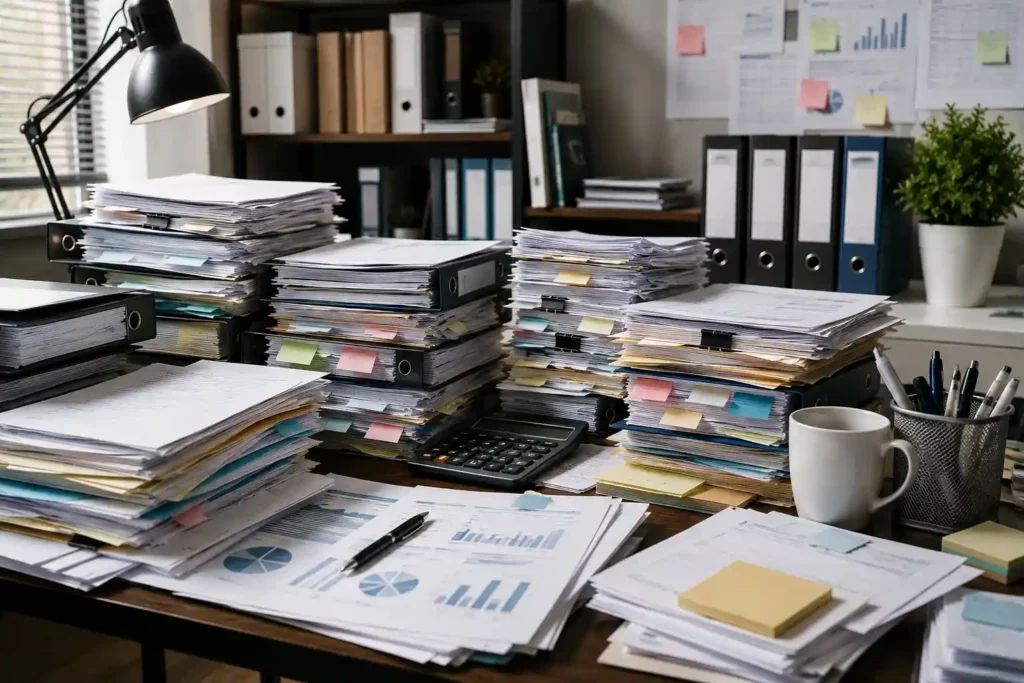
Good organization makes tax filing easier and helps reduce audit risks.
Consider creating separate systems for:
| Category | Examples |
| Revenue | Sales invoices, deposits |
| Expenses | Receipts, supplier invoices |
| Payroll | Employee records, remittances |
| Taxes | GST/HST filings, CRA letters |
| Banking | Statements, loan documents |
| Assets | Equipment purchases, depreciation records |
Additional best practices include:
- Separate personal and business finances.
- Reconcile bank accounts monthly.
- Store documents digitally with backups.
- Review bookkeeping regularly.
- Maintain consistent filing systems.
Many small business owners find that monthly bookkeeping is significantly easier than trying to organize an entire year’s worth of records at tax time.
Need Help Staying Organized Year-Round?
Many businesses wait until tax season to discover missing receipts, unreconciled accounts, or incomplete records. Working with a bookkeeping professional throughout the year can help prevent these issues and ensure your records remain audit-ready and easier to prepare for a CRA audit. MaxPro Financials helps businesses across British Columbia maintain organized, accurate, and CRA-compliant financial records year-round.
The Most Common Record Keeping Mistakes Made by Small Business Owners
Even successful businesses sometimes make record keeping mistakes.
Here are some of the most common:
Mixing Personal and Business Transactions
Using personal accounts for business expenses creates confusion and bookkeeping challenges, which is why personal vs business bookkeeping matters.
Losing Receipts
Many deductions become difficult to support when receipts are missing.
Waiting Until Tax Season
Trying to organize a year’s worth of records at once often leads to errors and omissions.
Failing to Back Up Digital Records
Cloud storage and backup systems help protect important information.
Not Reconciling Accounts Regularly
Unreconciled accounts can hide errors, missing transactions, and reporting issues.
Ignoring CRA Correspondence
CRA letters should always be reviewed and retained with your tax records.
Incomplete Payroll Documentation
Payroll records are among the most heavily scrutinized during reviews and audits, so follow a payroll compliance checklist.
Businesses that invest in proper bookkeeping systems typically spend less time fixing problems later and have greater confidence during tax season.
Need Help Setting Up CRA-Compliant Record Keeping for Your Business?
Strong record keeping is the foundation of good bookkeeping, accurate tax filings, and long-term business success. Whether you’re a sole proprietor, corporation, contractor, or growing small business, having the right systems in place can save significant time, money, and stress.
At MaxPro Financials, we help businesses throughout British Columbia establish efficient bookkeeping processes, organize financial records, maintain CRA compliance, and prepare for tax season with confidence. If your records feel disorganized or you’re unsure whether your current system meets CRA requirements, our team can help.
FAQ
Can the CRA audit me if I have already filed my tax return?
Yes. Filing a tax return does not prevent the CRA from reviewing or auditing your records later.
Can I throw away paper receipts after scanning them?
In many cases, yes, provided the scanned copies are clear, complete, readable, and securely stored according to CRA requirements.
Do I need to keep business emails for tax purposes?
If the emails support business transactions, agreements, invoices, or tax-related matters, they may form part of your business records and should be retained.
What records should self-employed individuals keep?
Self-employed individuals should keep income records, expense receipts, bank statements, vehicle logs, contracts, invoices, and any documents supporting tax deductions claimed on their tax return.
What happens if a receipt fades or becomes unreadable?
This is a common issue with thermal paper receipts. Scanning or digitally storing receipts shortly after receiving them helps preserve the information.
Can cloud accounting software satisfy CRA record keeping requirements?
Yes, provided the records remain complete, accurate, accessible, and capable of being produced if requested by the CRA.
How often should I update my bookkeeping records?
Monthly bookkeeping is generally recommended. Waiting until year-end increases the likelihood of missing transactions and errors.
Can an accountant help prepare for a CRA audit?
Yes. Proper bookkeeping, organized documentation, and professional review can make the audit process significantly smoother and reduce the risk of unsupported claims.